
Get Yourself Ready, Set, and Go for an Evacuation
In Tuolumne County, many of us live in a tinderbox. We’ve all seen what large fires can do to communities and just this week we have had four fires. It can feel overwhelming and scary to think about what to do if we’re faced with an encroaching fire, but if we’re prepared in advance, we can have our necessities ready to grab and go.
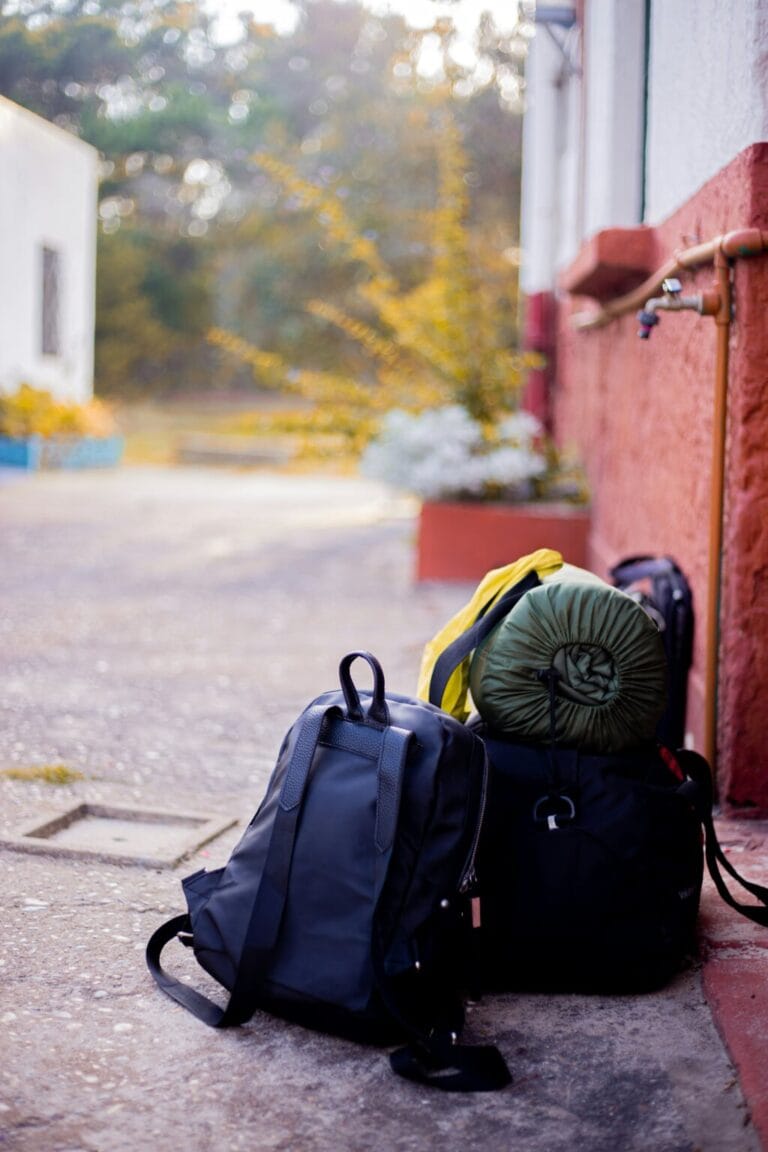
There are two places to store your essentials: a sturdy backpack for the things you will need wherever you go and your car, for larger items. Car items can be stored in duffle bags, rolling suitcases, or bins in your trunk if there is space. Each family member should have their own backpack to meet specific needs. And you can pack a bag for pets, as well.
It’s a good idea to identify one out-of-area point person for everyone trying to contact you, or in case family members get separated. Make sure every go bag has this person’s contact information.
Do not wait until the last minute to evacuate. Roads may be congested and difficult to navigate when entire neighborhoods or communities are trying to clear out. Monitor official information sources such as the sheriff’s department, CalFire, and the local fire department. Information about Tuolumne County Emergency Services is here. Subscribe to countywide emergency alerts through Everbridge.
Please take the time to read through these lists and FEEL FREE TO COPY, PASTE, AND PRINT THE FOLLOWING TO HAVE IN YOUR FIRE PREPAREDNESS NOTEBOOK.
1. LIFE-SAVING ESSENTIALS – GRAB FIRST
Keep these in an easily accessible backpack.
- Government-issued ID
- Wallet (including cash in small bills and credit/debit cards)
In an emergency, assume that most basic services may not be working, especially during an extended power outage. ATM’s, banks, cell towers, and stores may not be operational.
- Cell phone and charging cable
- Fully charged power bank
- Walkie-talkies for communication
- Car keys and house keys
- Prescription medications (at least a 7-day supply if possible)
2. GO-BAG KIT – GRAB SECOND
- Include identification with your contact information and the number of the out-of-area point person you’ve identified.
- Store in duffle bags, rolling suitcases, or bins in the car trunk if space is available. Each family member should have their own backpack to meet their specific needs. And pack a bag for pets, as well.
- Important copied documents stored in a waterproof zip pouch:
- Driver’s license and passports
- Health insurance cards
- Homeowner’s or renter’s insurance
- Vehicle registration and insurance
- Emergency contacts
- Medical information
- List of current medications with dosages
- Pet vaccination records
- Birth certificates
- Property inventory (photos on a USB drive or cloud storage)
- Bank information (phone number, login information), checks, and bank cards
- Thumb drive with important files such as special photos and digitized documents
- Written (don’t rely on your phone) emergency contact list: phone numbers of family, sheriff (non-emergency number), employers, neighbors, vet, doctors, pharmacy, bank, insurance companies
- Current mail that shows your address so law enforcement will let you back into your neighborhood
- Extra set of keys.
- Clothing: pack enough for 2-3 days
Natural fibers like cotton or wool are preferable to highly flammable synthetic fabric when evacuating near fire.
- long-sleeve shirts
- long pants
- underwear
- socks
- sturdy shoes or boots
- lighter shoes
- flip-flops for shower
- hat
- warm layer (fleece or sweatshirt)
- rain jacket
- winter jacket
- Water and Food Per Person
- at least one gallon of water
- high-calorie snacks
- energy bars
- trail mix
- peanut butter packets
- shelf-stable meals
- electrolyte packets
- manual can opener if packing canned food
- Health and Hygiene
- first aid kit
- emergency first aid book
- N-95 masks
- hand sanitizer
- hand/body wipes
- toothbrush and toothpaste
- soap
- feminine hygiene products
- toilet paper
- sunscreen
- lip balm
- ear plugs
- bandanna (can be used as a rag, filter for the face, or to cool off)
- over-the-counter medications: Tylenol, Motrin, Tums, insect bite reliever, eye drops, allergy pills
- prescription medications (preferably in an original container with the name of the patient)
- lightweight rain ponchos
- bath towel
3. PET BAG – GRAB SECOND ALSO (can be stored in pet carriers in the car)
- Be sure to chip your pets even if they don’t normally go outside, or at least make sure they have a collar and tag with your phone number.
- pet food
- water bowls
- treats
- toys
- medication
- cat box
- litter
- waste bags
- leashes or harnesses
- vaccination records
4. CAR GO KIT – GRAB IF YOU HAVE TIME
- Make sure your car always has at least half a tank of gas and is always road-ready.
- If you feel you may need to evacuate imminently, park your car facing out, with all windows and doors closed in case of smoke or ash.
- Food
- eating utensils
- paper towels
- small camping stove with propane
- protein bars, dehydrated food, and other protein-dense, shelf-stable, non-meltable foods
- Communication
- battery-powered weather/AM/FM radio (you can buy a hand-crank/solar/rechargeable one)
- extra charging cables for phone, tablet, and a couple of wall outlet chargers
- portable battery pack
- power station (such as a Jackery or similar) and solar panels if you have them
- car charger
- small notebook and pencil to leave notes if you can’t text or call.
- whistle
- Tools
- light sources (headlamps, flashlights, lanterns), extra batteries
- candles, matches in waterproof container and/or a lighter.
- multi-tool
- compass
- duct tape
- work gloves
- disposable gloves (non-latex if any family member is allergic)
- small notebook
- permanent marker
- lighter or waterproof matches
- multiple reading glasses if needed
- analog watch or something else that tells time without needing electricity
- local map with evacuation routes already highlighted
- axe and/or small, foldable hand saw
- small trowel or camping shovel
- thin but strong rope
- wrench or pliers to turn off utilities
- tool kit, including car-repair items
- tarp, for under tent, or for overhead shelter from sun, rain, or ash
- fire extinguisher
- trash bags
- 5-gallon bucket (with trash bags, it can be used as a port-a-potty)
- bleach and dropper, water purification tablets, or water filtration system
- paper maps
- Comfort Items
- blanket/sleeping bags for all family members
- emergency space blankets
- small pillow
- books
- deck of cards
- stuffed animal for kids
- Make sure the kids’ bags have a favorite small toy and other comfort items, and non-electronic items such as books, coloring books, etc.
5. AS YOU EVACUATE: (ONLY if you have time and it is safe to do so):
- Turn all inside and outside house lights on for visibility in smoke.
- Turn off HVAC and appliances.
- Close all windows.
- Close all exterior and interior doors. Fire will often spare rooms with closed interior doors.
- Lock exterior doors.
- Leave a note on your front door when everyone has evacuated with contact information (yours and your out-of-area point of contact). If any animals or pets remain, leave that information on your door.
6. PREPARE OUTSIDE ENVIRONMENT (ONLY if you have time and it is safe to do so):
- Place combustible outdoor items (patio furniture, toys, doormats, trash cans, BBQs, etc.) in the garage or move 30’ from structures (or place in a pool if you have one).
- Shut off gas at the meter or propane tank; move small tanks at least 15’ away from combustibles.
- Connect garden hoses to outside water valves or spigots for use by firefighters. Attach squeeze-grip nozzles if you have them.
- Fill water buckets and place around the house exterior, especially near decks and fences.
- Don’t leave sprinklers on or water running – they are ineffective and can reduce critical water pressure that may be needed by firefighters.
- Hosing your roof down is dangerous and ineffective.
- Make sure to regularly clean your gutters, install gutter guards to lessen leaves and debris gathering in your gutters, and blow leaves away from the house.
- Back your car into the driveway, loaded, with doors and windows closed.
- Unlock and prop open fence and side gates.
- Place ladder(s) at the corner(s) of structures for firefighters.
- Seal attic and ground vents with pre-cut plywood or metal covers (even duct tape will protect from ember entry) if time allows.
- Patrol your property and monitor conditions. Do NOT wait until the fire is close before leaving.
- Make sure nothing is blocking the driveway or entrances to your house as you leave.
- Trim overhanging trees so they do not block firetrucks as they enter/exit your property.
7. DIGITAL PREPAREDNESS
A few minutes of preparation before fire season can save hours later.
- Back up photos and important files to cloud storage.
- Enable emergency alerts on your phone: Everbridge and Watch Duty.
- Download offline maps for your area.
- Save emergency contact information on paper and digitally.
- Photograph every room in your home for insurance documentation.
8. SEASONAL MAINTENANCE
Every six months:
- Replace expired food in your go-bags.
- Refresh stored water.
- Check medication expiration dates.
- Recharge power banks.
- Replace batteries.
- Update documents.
- Make sure clothing still fits children.
- Review evacuation routes.
Take Action
- Subscribe to Tuolumne County Emergency Alerts.
- Follow Tuolumne County Office of Emergency Services.
- Follow the Tuolumne County Sheriff’s Department and CalFire on social media.
- Pack a go-bag for each family member and for pets.
- Pack your car with emergency supplies.
- Have one out-of-area point person who will relay information if it’s hard to contact you.
- Develop an emergency plan with your family and others residing in your home.
- Know at least two ways to get out of the area.