
Let’s Have a Conversation about the Causes of Homelessness
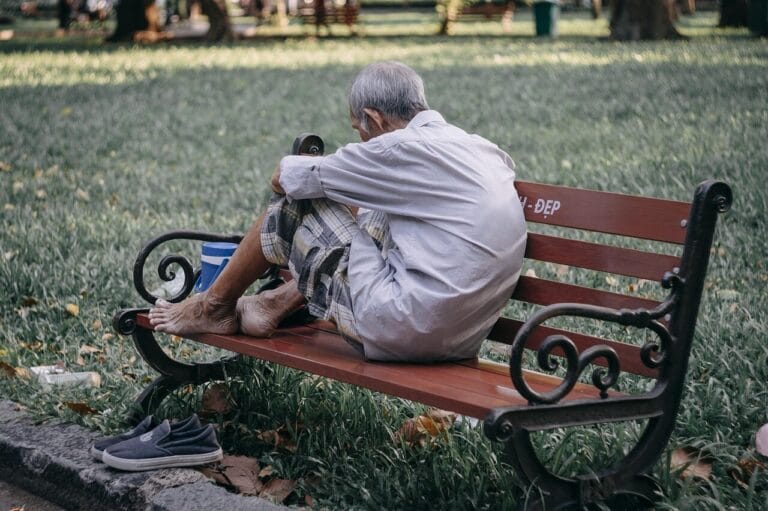
It was here, in our county, where an elected official remarked: “Those homeless are all drug addicts. They just need to stop taking drugs and pull themselves up by their bootstraps.”
This statement is the furthest thing from the truth. Some unhoused people are using and abusing drugs, but those drugs are most often a coping mechanism that helps them face living on the streets. So let’s have the conversation.
Unhoused people are from all walks of life, forced into homelessness by circumstances beyond their control. They include single mothers with babies, unaccompanied youth, parenting teens, veterans, and single adults, most of whom are seniors (1). Can you imagine being 84 years old, living on the streets, and caring for a four-year-old child whose parents work at minimum-wage jobs? The underpinnings of homelessness are a challenge in Tuolumne County and a visible crisis throughout the United States.
The causes are many, and it is critical to understand them.
Causes of Homelessness
1. Lack of Affordable Housing
- Rent and housing costs outpace income.
- A lack of housing affordable to people with the lowest incomes (2).
- The average home prices are more than three times the national median income (3).
- Nearly 10 percent of homelessness is attributable to foreclosures (4).
- By 2030, 1.2 million new affordable homes will be needed to meet the housing needs of low-income Californians (1).
2. Family Dysfunction
Domestic violence causes women and children to flee their homes and live in cars, shelters, or on the street (3) (4). Teens run away from home due to parental drug/alcohol addiction, physical abuse, sexual orientation, or teen pregnancy (5). The trauma of unwantedness is a significant barrier to recovery from homelessness.
3. Poverty and Stagnant Wages
People living below the poverty line are at constant risk of becoming homeless due to any financial shock (4). Since 1970, the minimum wage has increased by 350 percent while the Consumer Price Index has increased by more than 480 percent. Covering everyday living expenses, saving for emergencies, and setting aside earnings for homeownership are not possible for most Americans (3).
4. Lack of Affordable Healthcare
Allocating minimal income for a family’s healthcare takes away from paying for food, rent, and utilities. Many unhoused people are uninsured or underinsured, precipitating neglect of preventive care and higher medical costs down the road. One serious injury or accident could push an individual or family into homelessness (3).
5. Institutional Discharge
People released from prison, foster care, or psychiatric institutions without a support plan often end up homeless. “Their status may be compounded by laws that criminalize homelessness, like making public camping punishable by citation or arrest. Convicted individuals reentering the community after incarceration face barriers to securing and maintaining stable housing” (1). By law, California must disburse $200 to ex-prisoners to help support them in their critical initial days of post-release (6). Is this amount realistic in our world today?
6. Substance Use Disorders
Addiction can contribute to job loss, family breakdown, and health issues. Grief of a loved one may be numbed by drug abuse, which can lead to loss of job and home (5).
And more causes:
- Unemployment
- Discrimination
- Lack of a family support system
- Mental illness
- Disabilities and chronic illness
- Barriers to re-entering permanent housing, such as lack of documentation, poor credit history, prior evictions
- Natural disasters and displacement, e.g. flood, wildfire, war, pandemic
- Inadequate social services
Solutions are not quick fixes. It takes time to educate the public and elected officials at all levels of government. But once the community understands the reasons for homelessness, we can help solve this crisis. Citizens can influence county and city governments to help guide effective policy solutions and action to end this plight (1). Urgent attention by federal, state, and local leaders is essential, and the government cannot do this without community partnerships.
Several nonprofits in Tuolumne County work daily with our unhoused population – Nancy’s Hope, Resiliency Village, Interfaith, Give Someone A Second Chance, Compassion Outreach, One Pile at a Time – along with churches and many more organizations.
Steps to Address the Homelessness Crisis
First
Physical support is an immediate need: shelter, food, and healthcare. “A home is a basic necessity to maintain health, work, school, and dignified living conditions” (1) that must be paired with case management and support services. Transitional housing (motels, shelters, tiny homes, converted spaces) and targeted programs for specific subpopulations, such as veterans, homeless youth, or domestic violence survivors (1), can be the starting point of exiting homelessness.
Second
Long-term system solutions come next: affordable housing for the lowest incomes, job training, mental health care, and services for substance abuse treatment.
Persistence will lead us to the success of caring for our people.
Let’s give them boots to walk home in.
Take Action
- Educate yourself. (Thank you for reading this article!)
- Attend the Tuolumne County Homeless Committee Meeting. (2nd Thursday of each month, 9:00 am, Board of Supervisors Chambers.)
- Advocate for county policies that support our vulnerable and unhoused residents.
- Write a letter to the editor.
- Attend Board of Supervisors meetings and speak up. See meeting agendas.
- Attend Sonora City Council meetings and speak up. See meeting agendas.
Notes
- Sara Kimberlin and Monica Davalos, “Understanding Homelessness in California and What Can Be Done,” California Budget and Policy Center, March 2023.
- Margot Kushel, MD, and Tiana Moore, PhD, “Towards a New Understanding, California Statewide Study of People Experiencing Homelessness,” Benioff Homelessness and Housing Initiative University of California San Francisco, June 2023.
- Emmaline Soken-Huberty, “10 root Causes of Homelessness,” Human Rights Careers.
- “Substance Abuse and Homelessness,” National Coalition for the Homeless, 2017.
- “10 Causes of Homelessness,” Arlington Life Shelter.