
Home Fire Safety: Know the Causes, Prevent the Fire
By Melissa Kirk
Published: November 20, 2026
Last updated: November 18, 2026
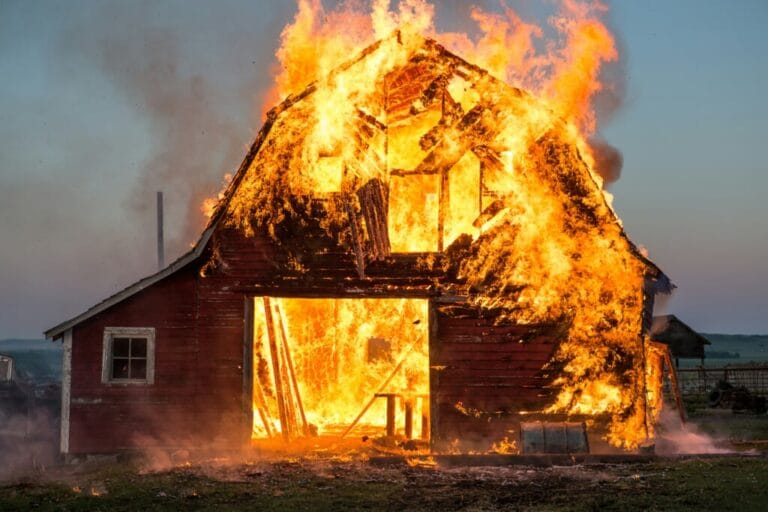
Home fires are quite common. Most can be prevented, or the damage reduced, by understanding basic home safety principles.
Common causes of house fires:
- Overloaded extension cords
- Open flame
- Space heaters
- Clothes dryers
- Cooking fires
- Electrical appliances
- Smoking
- Flammable liquids
- Lithium-ion batteries
How do you prevent deadly fires?
- Install smoke alarms in every bedroom and outside sleeping areas, as well as in living rooms and kitchens. Test alarms and change batteries regularly. Install new alarms every 10 years.
- Install fire extinguishers near cooking areas and fireplaces, or wood or pellet stoves, and know how to use them. Make sure you replace expired extinguishers. Contact your local city fire department, CalFire, or Community Emergency Response Team (CERT) to see if they offer training on responding to fires, including how to use fire extinguishers effectively.
- Install home sprinklers if you can. They can be expensive, but you can install home sprinkler systems in existing structures. Find out more here. (If you are buying a home built since 2011, it already has a home sprinkler system installed by law.)
- Don’t overload outlets or power cords. Avoid an “octopus” of electrical cords, where you plug multiple cords into extension cords and outlet extenders, especially if they are close to, behind, or under flammable items like couches, curtains, or rugs. Have a licensed electrician install extra outlets if you need them.
- Never leave open flames unattended, including candles and fires in a fireplace, wood or pellet stove, outdoor fire barrels, fire tables, or firepits. Have fire extinguishers nearby in any area where there will be a flame. It only takes a second for a flammable item to ignite if it’s too close to the flame.
- Prevent chimney fires by having a licensed company clean chimneys regularly to ensure they are free of creosote buildup and masonry cracks.
- Know how to put out cooking fires. If you’re cooking and the pan, oil, or food catches on fire, starve the fire of oxygen. Put the lid on the pan, close the oven or microwave door. Keep baking soda near the stove and sprinkle it generously on a grease fire. Do not use water, baking powder, or flour, as they will make it worse. Use your fire extinguisher if necessary.
- Flammable liquids include aerosol cans, nail polish remover, hand sanitizer, rubbing alcohol, stain removers, household cleaners, cooking oils, machine oils and lubricants, gasoline, and turpentine. Store these away from heat sources and direct sunlight, and keep them in a cool, protected area such as a cabinet. Keep flammable and toxic liquids out of reach of children and pets.
- Don’t keep space heaters going overnight. Space heaters can ignite flammable material like bedclothes or curtains. Turn off the space heater before bed and keep it well away from flammable items.
- Clean lint traps regularly. Overloaded lint traps can ignite from the heat of the clothes dryer. Clean them before starting a new load.
- Store and charge lithium-ion batteries safely. Lithium-ion batteries — which power phones, tablets, and rechargeable vehicles such as cars and e-bikes — can pose a fire risk if used, stored, or charged improperly. Use only the charging cables that came with your rechargeable device, and unplug it once it is fully charged. If a device gets unusually hot, or the battery is cracked, broken, bulging, making a hissing or popping sound, emitting an unusual smell, or smoking, unplug it and remove it from the device if possible. Move the device away from flammable items. Damaged batteries can explode or catch fire. Water works on a lithium-ion battery fire because it contains lithium electrolyte salts, not pure lithium, which is highly reactive with water.
- Teach children that fire can be dangerous and show them how to be safe around fire and when using lighters or matches.
- Have a family escape plan. Talk to your family about the best way to exit the home if a fire burns out of control, and where you will meet away from the house if family members get separated while escaping. Remember that heat, toxic household fumes, and smoke are more dangerous than the flames. Heat and smoke rise, so teach your family to crawl on the floor to get out of the home if a fire has spread. Most house fire deaths are due to asphyxiation. Make sure rescuing pets is also in your escape plan. Teach family members how to respond to small fires before they ignite further; teach children how to call 911. Chip pets and/or have a collar and tag with your phone number.
SOURCES